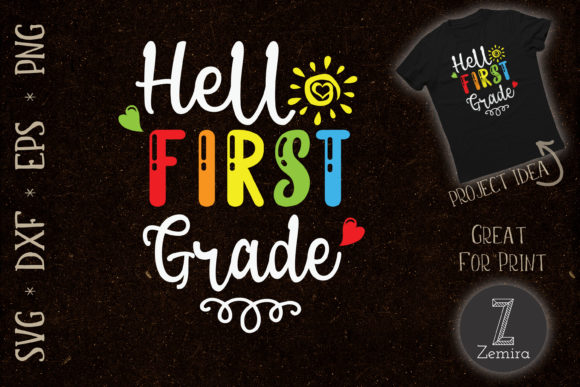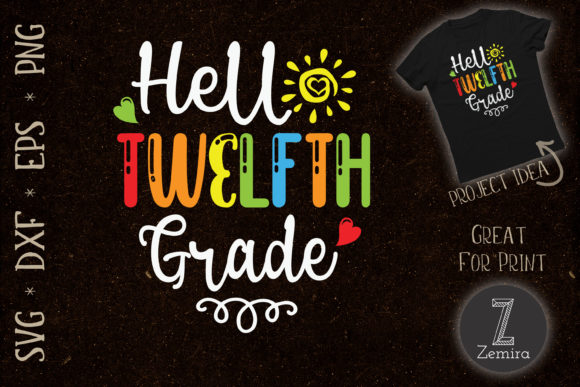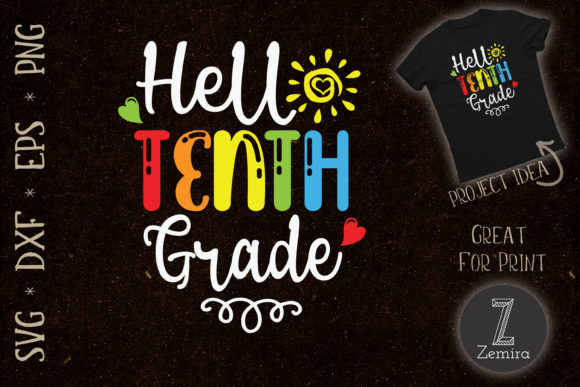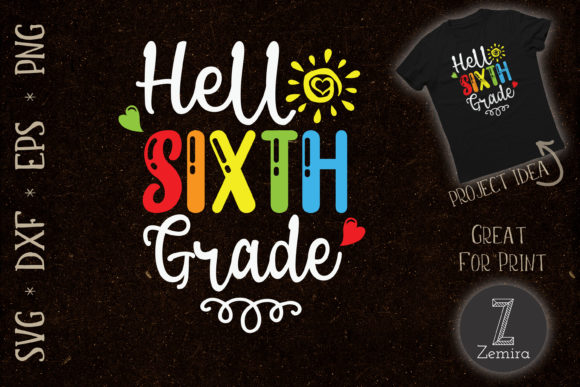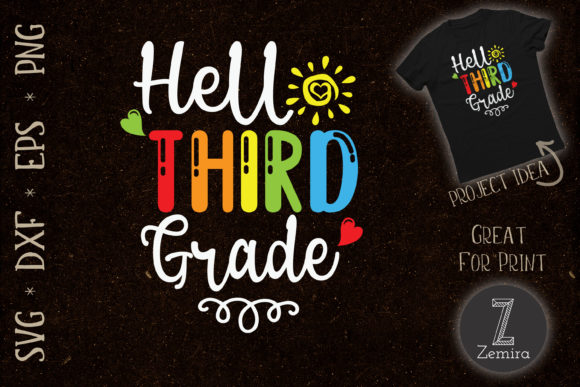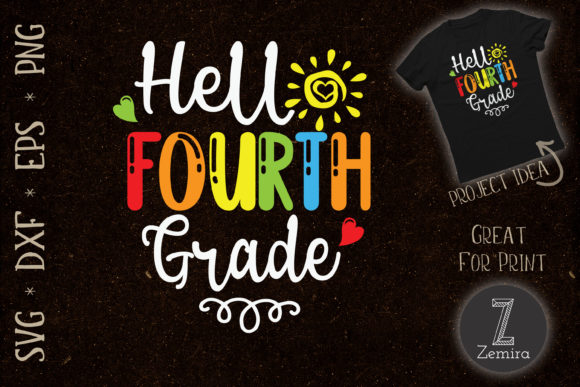
Hello Fourth Grade: Back to School Design Bundle
Preparing for a new school year brings a mix of excitement and logistics. For parents, teachers, and small business owners, finding quality designs that capture the milestone of entering fourth grade can save time and elevate projects. The Hello Fourth Grade Back to School design set offers exactly that—a versatile collection of digital files ready for customizing everything from classroom decor to branded merchandise.
Whether you are crafting a first-day shirt for your child, creating promotional items for your shop, or organizing a classroom welcome kit, this bundle provides the essential formats you need. Let’s explore what makes this set useful, where it shines, and how you can put it to work across personal, professional, and creative projects.
What Is Included in This Design Set
The Hello Fourth Grade Back to School package comes with four distinct file types, each tailored for specific software and equipment. This means you can work with the tool you already own without compatibility headaches. Here is what you receive:
- 1 SVG file – Optimized for Cricut Explore and other cutting machines.
- 1 DXF file – Designed for Silhouette users, including those running the free software version.
- 1 EPS file – Ideal for Adobe Illustrator, Corel Draw, and Inkscape.
- 1 PNG file – 300 DPI high resolution with a transparent background, ready for instant printing.
Each format preserves clean lines and scalable details, so you can resize elements without losing quality. The SVG and DXF files are particularly helpful for anyone using electronic cutting machines, while the EPS and PNG options cover vector editing and direct print needs.
Key Characteristics That Stand Out
What makes this set more than a simple graphic bundle is the thoughtful alignment with how creators actually work. The vector files (SVG, DXF, EPS) maintain crisp edges at any size, which matters when you are enlarging a design for a poster or shrinking it for a keychain. The PNG file, at 300 DPI, ensures smooth, sharp prints on fabric, paper, or rigid surfaces.
Another notable quality is the transparent background on the PNG. This eliminates the need for manual clipping or background removal—just drop the image into your layout and go. For anyone producing multiple items quickly, this efficiency adds up across every project.
The design itself carries a friendly, celebratory tone appropriate for fourth graders. It avoids overly juvenile motifs, making it suitable for both classroom settings and commercial products aimed at families.
Personal and Family Projects
Parents preparing for the first day of school often want something special to mark the transition to fourth grade. With the SVG or DXF file, you can cut iron-on vinyl and apply the design to a plain t-shirt or tote bag. The PNG file works directly for printing on transfer paper if you prefer a photo-quality look. Mugs, water bottles, and lunch bags also make excellent candidates for this design, turning everyday items into keepsakes.
Classroom and Educational Settings
Teachers can use the Hello Fourth Grade Back to School files to create name tags, desk labels, bulletin board headers, or welcome signs. The EPS format allows for easy editing in Illustrator or Inkscape—you can change colors, add student names, or combine the design with other elements. Because the files are scalable, a single design can serve as both a small sticker and a large wall decal.
Creative and Commercial Use
If you run a small craft business or an Etsy shop, this bundle offers a ready-to-use design for product listings. T-shirts, mugs, cushions, key holders, and greeting cards featuring the fourth grade theme appeal to parents shopping for back-to-school gear. The transparent PNG is especially useful for mockups—drop it onto product photos to show customers exactly how the final item will look.
Freelance designers and content creators can also incorporate the design into digital resources like printable planners, social media templates, or blog graphics. The vector formats maintain professional quality even when repurposed across different media.
Real-World Use Cases and Observations
A common scenario is a parent who wants a matching shirt for both the child and a younger sibling. With the SVG file, you can adjust the size on your cutting mat and produce two shirts from one sheet of vinyl. Another example: a teacher printing a batch of welcome cards for students. The PNG file, with its high resolution and transparent background, prints cleanly on cardstock and saves time compared to hand-cutting shapes.
From a business perspective, a shop owner might create a limited back-to-school collection featuring this design on mugs and pillows. Because the files are compatible with multiple production methods—heat press, sublimation, direct-to-garment printing—the same artwork can be used across different product lines without reformatting.
One observation worth sharing: the availability of a DXF file for Silhouette users is a practical advantage. Many free design bundles omit this format, forcing users to convert files on their own. Having it included means less friction and faster project completion.
Benefits Related to Usability, Efficiency, and Appearance
The primary usability benefit is format coverage. You are not locked into one software ecosystem. Whether you use Cricut Design Space, Silhouette Studio, Adobe Illustrator, or a free vector editor, you have a file that works. This reduces the learning curve and allows you to focus on the creative part rather than troubleshooting compatibility.
Efficiency gains come from the transparent PNG and the clean vector paths. For print-on-demand orders, the PNG file eliminates background removal steps. For cutting machines, the SVG and DXF files are ready to load—no need to trace or clean up stray lines. Over the course of several projects, these small time savings add up.
Appearance-wise, the 300 DPI resolution and vector scalability ensure that your final product looks professional. Sharp text and smooth curves matter when you are selling items or giving them as gifts. The design itself is clear and readable, which is important for a grade-specific theme where typography plays a central role.
Practical Considerations When Using These Files
Before you start, check the size and positioning requirements of your chosen medium. For instance, a standard t-shirt typically works best with a design around 10–12 inches wide. With the vector files, you can resize without distortion, but always preview the proportions on your cutting mat or layout software.
If you plan to use the DXF file with Silhouette Studio, make sure you are running a version that supports this format (the free version does). For the EPS file, note that some older software may require you to rasterize the file before editing—this is uncommon with modern versions of Illustrator or Corel Draw, but worth knowing if you are using legacy tools.
The PNG file is ideal for quick projects, but keep in mind that it is a single static image. If you need to recolor elements or separate parts of the design, use the SVG or EPS instead. Also, when printing on fabric, choose a transfer method that suits the material—heat transfer vinyl works well for cotton, while sublimation is best for polyester blends.
Finally, always test a sample before producing in bulk. Print or cut one version first to confirm the colors, scale, and alignment meet your expectations. This is especially important if you are selling items, as consistency builds trust with customers.
Recommendations for Getting the Most Out of This Bundle
If you are new to working with digital design files, start with the PNG for your first project. It requires no special software beyond a basic image editor and gives you immediate results. Once you are comfortable, move to the SVG or EPS to take advantage of scalability and editing options.
For small business owners, consider using the design as part of a themed collection. Pair it with complementary graphics, offer bundle deals, or create custom variations for different grades. The file formats allow you to produce consistent branding across apparel, home goods, and stationery.
Teachers and parents can involve the child in the design process. Let them choose the shirt color or decide where to place the decal. This turns a simple project into a meaningful back-to-school tradition.
Final Thoughts on the Hello Fourth Grade Back to School Set
The Hello Fourth Grade Back to School bundle delivers practical value through its format variety and production-ready quality. It removes common barriers like software incompatibility and low-resolution output, letting you focus on the project itself. Whether you are making a single gift for a fourth grader or launching a seasonal product line, these files provide a solid foundation. With clean design, thoughtful format choices, and broad compatibility, this set earns a spot in any creator’s digital toolbox.