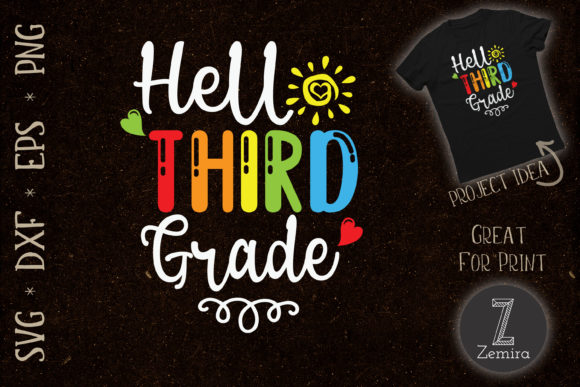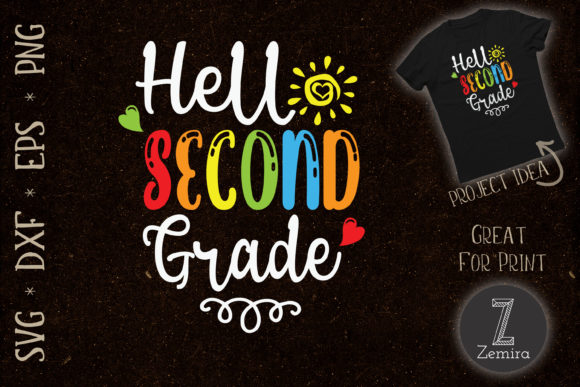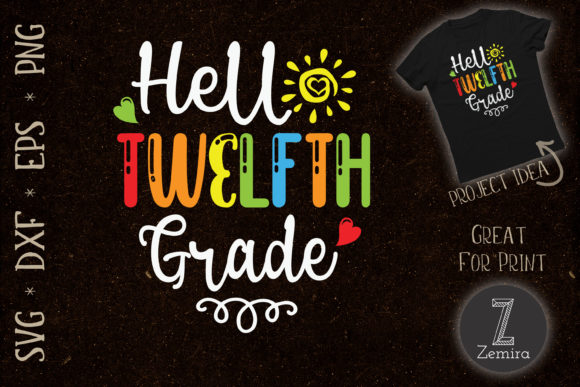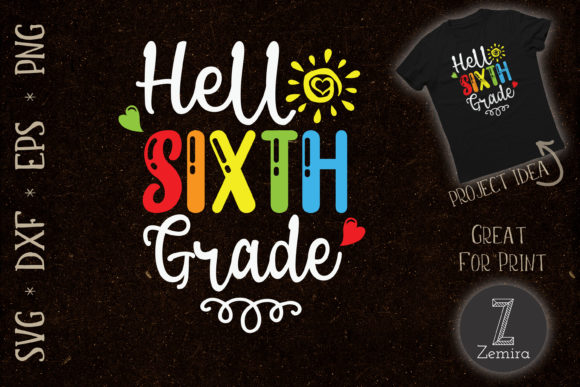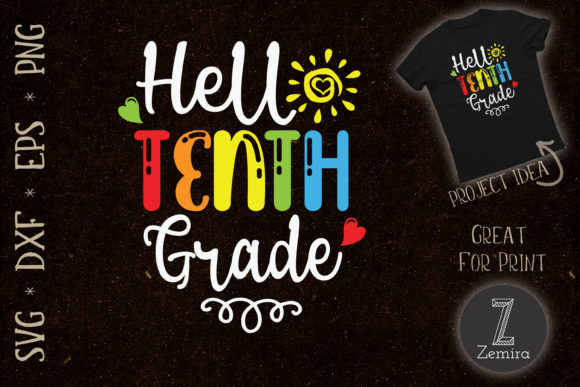
Hello Tenth Grade Back to School Design Assets
Every creative project starts with the right raw material. When you're designing for a specific milestone—like the start of tenth grade—you need more than just any font or graphic. You need something that captures the energy of the moment, fits your production workflow, and delivers consistent results across different mediums. That's exactly what this set of design assets delivers: a coordinated package of SVG, DXF, EPS, and PNG files built around the Hello Tenth Grade Back to School theme. Whether you're running a small print-on-demand shop, creating custom gifts for family, or building out a seasonal product line, these files give you a professional starting point without the guesswork.
What Makes This Design Asset Unique
The Hello Tenth Grade Back to School collection isn't just a single file—it's a complete toolkit. You get four distinct formats, each optimized for different software and hardware. The 300 DPI PNG with a transparent background is ready for immediate use in digital mockups, social media graphics, or quick print tests. The SVG file works natively in Cricut Design Space, making it straightforward to resize, layer, and cut without cleanup. The DXF format opens reliably in Silhouette Studio (including the free version), and the EPS file handles beautifully in Adobe Illustrator, Corel Draw, and Inkscape for professionals who need full vector control. This variety means you can move from concept to finished product without format friction.
Visually, the design leans into the transitional nature of tenth grade. It's not overly childish, nor is it trying too hard to look adult. The lettering strikes a balance between approachable and confident—clean enough to read at a glance but with enough character to feel personal. Think of it as a handwritten display style that carries warmth without sacrificing legibility. The weight is substantial enough to hold its own on a t-shirt or a mug, and the spacing allows for easy scaling from small keychain designs to larger poster layouts. There's a deliberate sense of celebration without being loud, which makes it versatile for both gift-giving and retail.
Where the Files Work Best Across Your Projects
Because the package includes both raster and vector formats, you're covered for nearly any substrate or application. Here are the most natural fits based on real-world use:
- Apparel and textiles – The SVG and DXF paths cut cleanly on Cricut and Silhouette machines for iron-on vinyl transfers. The bold letterform holds up on cotton, polyester blends, and even canvas totes. Tenth graders wear these designs to school, to practice, and out with friends, so durability matters. Test a small run on t-shirts and hoodies first, and you'll notice the design reads clearly even after multiple washes when applied with quality HTV.
- Drinkware and home goods – Sublimation on mugs, tumblers, and coasters works well with the 300 DPI PNG file. The transparent background saves you manual masking time. For glass or ceramic etching, the vector formats give you precise control over depth and line clarity. Cushions, pillow covers, and fabric banners also take the design nicely when you use the EPS in Illustrator to set up seam allowances and repeat patterns.
- Small accessories and gifts – Keychains, bag tags, pencil cases, and notebook covers are quick-turn projects that benefit from the DXF format's compatibility with free Silhouette software. The design's compact footprint means you can scale it down to two inches and still maintain readability, which is critical for smaller items.
- Digital and print media – Use the PNG for social media graphics, email headers, or Etsy listing images. The high resolution ensures it looks crisp on retina displays and in printed flyers. For planners, stickers, or journal covers, the vector files let you recolor the design to match brand palettes without losing quality.
How This Asset Influences Readability, Brand Perception, and Engagement
Typography and design assets do more than decorate—they communicate intent. When you choose Hello Tenth Grade Back to School, you're signaling that this product is for someone who is stepping into a new chapter. Tenth grade sits at a unique intersection: students are old enough to want independence but young enough to still appreciate family involvement in milestone moments. The design's friendly yet grounded lettering respects both audiences. Parents see it as appropriate and encouraging; teens see it as cool without being cringey. That alignment is what drives purchasing decisions.
From a readability standpoint, the design uses open counter spaces and deliberate contrast between strokes. This prevents the lettering from blurring into a single blob when printed at smaller sizes or on textured fabrics. If you've ever tried to cut a delicate script font on a Cricut only to have the fine lines peel off during weeding, you know the value of a design that prioritizes structure. This asset reduces waste and frustration because it was constructed with real-world cutting and printing constraints in mind.
For brand identity, consistency matters. Using the same core design across your entire product line—t-shirts, mugs, totes, stickers—creates recognition. Customers who see the design on a social media post will recognize it on a store shelf. The multiple format support means you can maintain that consistency without manually re-creating the artwork for each medium. This saves time and reduces the risk of variation errors that dilute your brand.
Practical Guidance for Choosing and Using This Font Asset
Before you start cutting or printing, take a few minutes to evaluate project fit. The asset works best when you have a clear application in mind. Ask yourself: Is this for a single event like a first-day-of-school photo prop, or for a retail product line? If it's a one-off gift, the PNG alone might suffice. If you're building inventory, invest the time to open the EPS or SVG in your preferred software and test scaling across your planned product sizes. The vector format gives you infinite scalability, but you still want to check how the design reads at the extremes—say, 1.5 inches on a keychain versus 12 inches on a hoodie back.
Font pairing can elevate the design further. Since Hello Tenth Grade Back to School acts as a display element, it pairs well with clean sans serif or simple serif fonts for secondary text. If you're adding a student name, year, or school mascot, put the display element first and use a neutral companion font for the supporting information. Avoid pairing it with another heavily styled handwritten font—they tend to compete and reduce overall clarity. A minimalist sans serif like Montserrat, Lato, or Open Sans keeps the focus on the main message.
Readability considerations also extend to color selection. The design's weight allows it to stand out on both light and dark backgrounds, but high contrast yields the best results. White or metallic vinyl on a dark tee, or black on a pastel mug, maximizes legibility. If you're sublimating, test the design on your substrate's coating—some coatings cause darker colors to spread slightly, which can close the open spaces in the lettering. A quick test print saves you from wasting blanks.
Commercial licensing is another layer you need to understand. This asset package includes files for both personal and commercial use, but always review the specific terms provided with your purchase. Some licenses limit the number of units you can produce or restrict use on certain products. If you plan to sell items featuring the design, confirm that your usage falls within the allowed scope. Keeping a copy of the license file in your project folder is a simple habit that protects you if questions come up later.
Real-World Examples and Design Observations
Let me share a few observations from working with similar display assets in production environments. First, the weeding process on the SVG and DXF files is straightforward because the paths are clean and there are no excessively thin islands that want to lift off the carrier sheet. This matters when you're running a batch of twenty shirts—every minute saved on weeding adds up. Second, the EPS file opens in Illustrator with all paths as editable vectors. You can easily tweak the spacing, change the color, or add outlines for a sticker effect. That flexibility lets you offer variations without starting from scratch.
One creative approach I've seen work well: use the design as a central motif on a layered project. For example, cut the lettering in a bright metallic vinyl, then add a simple geometric background shape in a contrasting matte color. The interplay of finishes gives the final piece a more premium feel. Another idea is to use the PNG with a transparent background in a digital planner or a custom phone wallpaper. The high resolution ensures it stays sharp on high-density screens.
If you're selling on platforms like Etsy, Amazon Handmade, or at local craft fairs, consistency across your photography and product listings reinforces your brand. Use the design on your product mockups, in your listing images, and even on your packaging. Customers who see the same cohesive look across multiple touchpoints are more likely to trust your brand and make a purchase.
Final Thoughts on Making This Asset Work for You
The Hello Tenth Grade Back to School package is a practical, time-saving resource for anyone who creates products for the back-to-school season. Its multi-format approach removes the technical barriers that often slow down production, and its visual style hits the right tone for a tenth-grade audience. Whether you're a seasoned maker running a small business or a parent looking to create something memorable for your own student, these files give you a reliable foundation. Test them on your specific materials, pair them thoughtfully with supporting elements, and keep the commercial guidelines handy. With a little experimentation, you'll find ways to extend the design beyond its initial use case and build a consistent product line that resonates with your customers.